PROGRAM · National Aeronautics and Space Administration (NASA)
Apollo
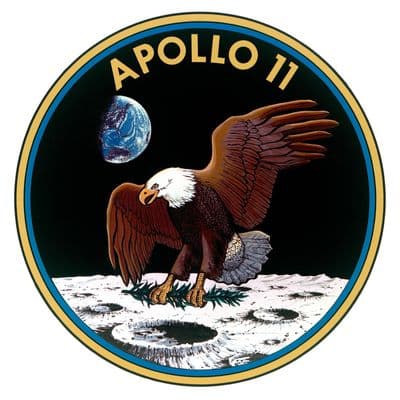
The Apollo program (1961–1972) was the American crewed Moon-landing program led by NASA. It comprised 11 crewed missions and culminated in the first human Moon landing with Apollo 11, followed by five more successful landings.
Datum25 May 1961 – 19 December 1972
AgenturaNational Aeronautics and Space Administration (NASA)
MiseApollo 11
SEE ALSO →Apollo 13
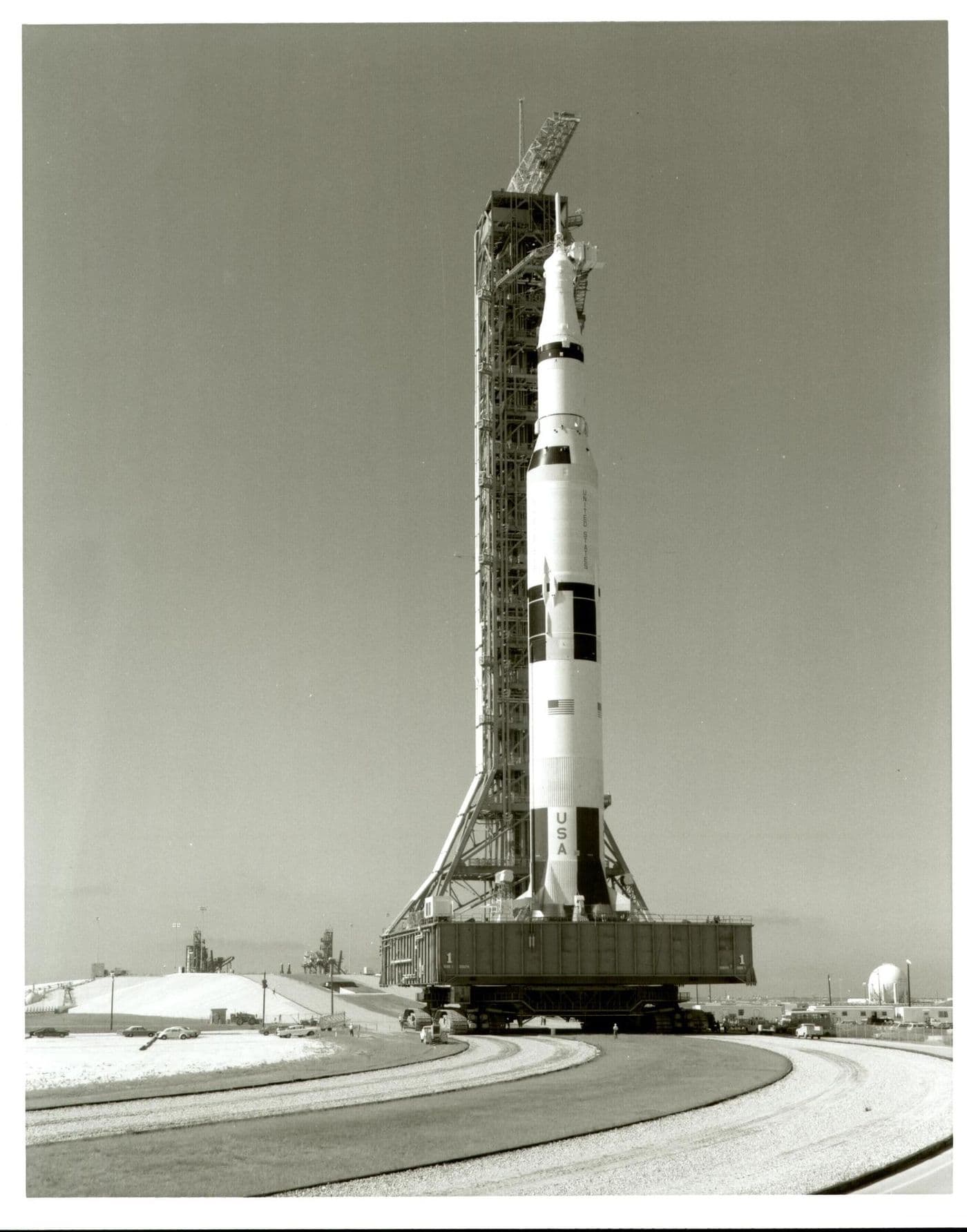 ◉ REÁLNÉ FOTO · NASA / images.nasa.gov
Fig. 1 — Rollout rakety Saturn V z montážní budovy VAB na startovací rampu (NASA).
Contents
living encyclopedia entry2
sections
12
images
2
sources
9
links
updated · 17 Jul 2026
APOLLO PROGRAM MISSIONS
11 provázaných hesel · klikni pro detail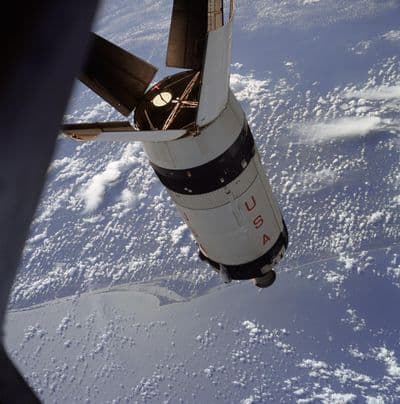 ◉ REÁLNÉ FOTO
Apollo 7Témaotevřít heslo →
 ◉ REÁLNÉ FOTO
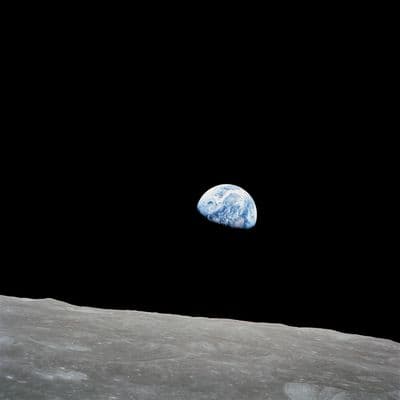
Apollo 8Témaotevřít heslo →
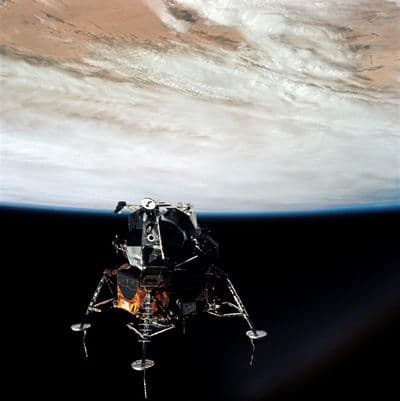 ◉ REÁLNÉ FOTO
Apollo 9Témaotevřít heslo →
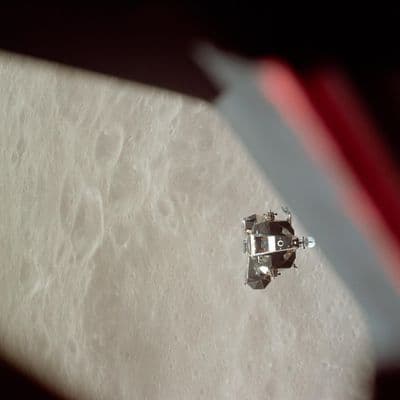 ◉ REÁLNÉ FOTO
Apollo 10Témaotevřít heslo →
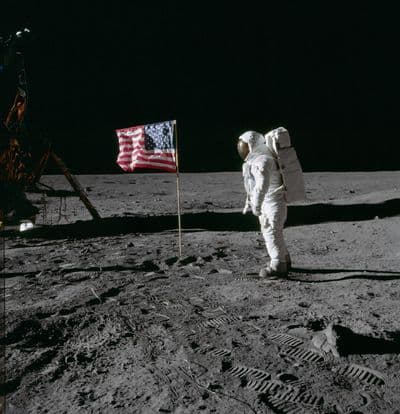 ◉ REÁLNÉ FOTO
Apollo Program / Apollo 11Programotevřít heslo →
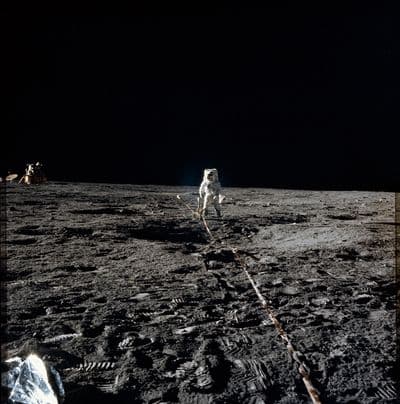 ◉ REÁLNÉ FOTO
Apollo 12Miseotevřít heslo →
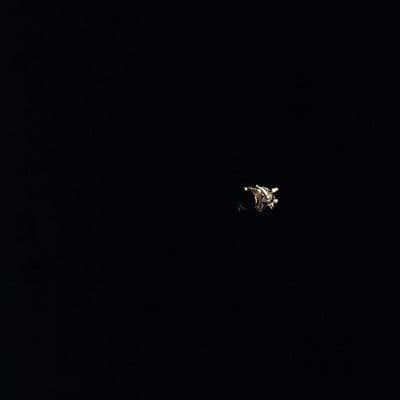 ◉ REÁLNÉ FOTO
Apollo 13Programotevřít heslo →
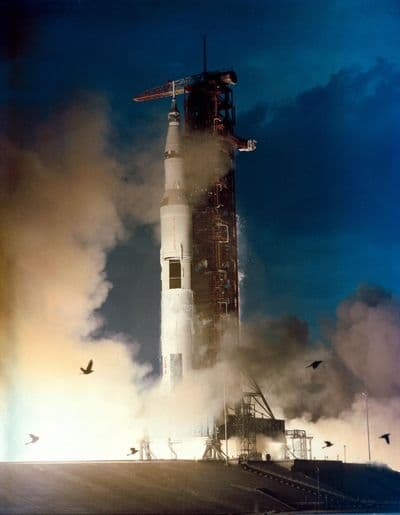 ◉ REÁLNÉ FOTO
Apollo 14Témaotevřít heslo →
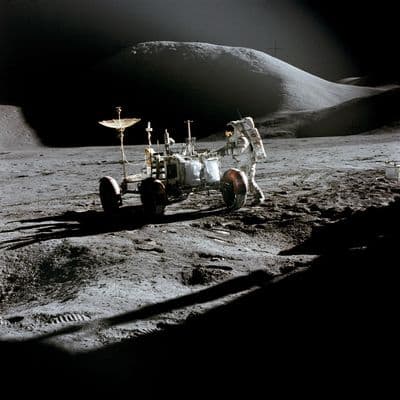 ◉ REÁLNÉ FOTO
Apollo 15Témaotevřít heslo →
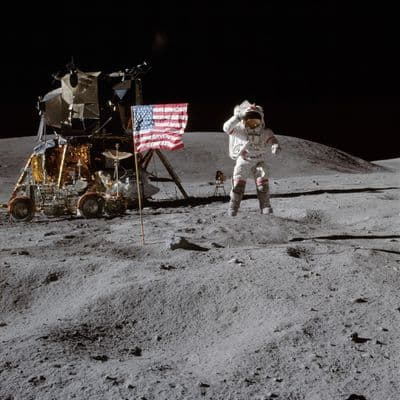 ◉ REÁLNÉ FOTO
Apollo 16Témaotevřít heslo →
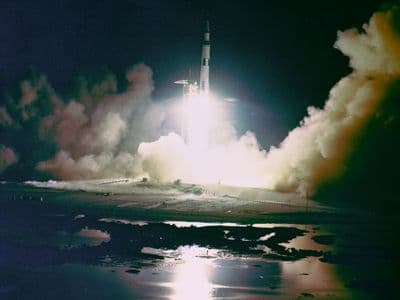 ◉ REÁLNÉ FOTO
Apollo 17Programotevřít heslo →
FACTS
- The Apollo program cost American taxpayers over 25 billion dollars (in 1960s prices) — more than 150 billion dollars in today’s money.
- All 12 people who have ever stood on the Moon belonged to the Apollo program between 1969 and 1972 — no one has stood on the Moon since.
- The name Apollo was proposed in 1960 by NASA manager Abe Silverstein, after the Greek god of the sun and light — he was inspired by the image of the god driving his chariot across the sky.
ARTICLE ON THE TIMELINE
FULL TIMELINE →7 December 1961
Gemini as a Backup Program to Apollo
The Gemini program was approved as a bridge between Mercury and Apollo — it proved techniques (orbital rendezvous, spacewalks, long-duration flights) without which a Moon landing would not have been possible, while also serving as a backup test platform in case Apollo was delayed.
SOURCES & FURTHER READINGlast verified · 4 July 2026
◉ NASA photography — public domain✦ AI illustration — marked, generated from sourcesarticle text — CC-BY-SA
CONNECTION GRAPH